
laminated smart glass
Understanding Gate Valves A Focus on Gate Valve 16 Gate valves are crucial components in various industrial applications, serving as a mechanism to start or stop the flow of fluids through a pipe. Among the numerous types of gate valves available, Gate Valve 16 has gained attention for its reliability and efficiency. This article explores the characteristics, applications, advantages, and maintenance of Gate Valve 16, offering insights into why it is favored in many scenarios. What is a Gate Valve? A gate valve is a linear valve that opens by lifting a barrier (the gate) out of the path of the fluid. The main function of a gate valve is to provide a straight-line flow of fluid with minimum restriction. Compared to other types of valves, such as ball valves or globe valves, gate valves are more suited for use in applications where the flow needs to be either completely on or completely off. Features of Gate Valve 16 Gate Valve 16 stands out due to several key features that enhance its performance - Design and Construction Typically made from durable materials like stainless steel, cast iron, or bronze, Gate Valve 16 is designed to withstand high pressures and temperatures. Its robust construction ensures longevity and reliability in demanding environments. - Size and Configuration Gate Valve 16 comes in various sizes, making it versatile for different applications. Whether it’s a small residential plumbing system or a large-scale industrial pipeline, there’s a suitable Gate Valve 16 configuration. - Sealing Mechanism The sealing mechanism of Gate Valve 16 is engineered to provide a tight seal when the valve is closed. This feature prevents leakage, which is crucial for maintaining the integrity of fluid systems. Applications of Gate Valve 16 Gate Valve 16 is utilized in diverse fields, including - Oil and Gas Industry In oil and gas pipelines, Gate Valve 16 is employed to control the flow of crude oil and natural gas, where it is pivotal in managing flow rates and pressures during processing and transportation. gate valve 16 - Water Supply Systems Municipal water supply systems rely on Gate Valve 16 to regulate the flow of water through pipelines, ensuring the system operates efficiently and safely. - Chemical Processing The chemical industry uses Gate Valve 16 for controlling the flow of corrosive and hazardous fluids, benefitting from its ability to maintain pressure and prevent leaks. - Power Generation In power plants, Gate Valve 16 is integral to steam and water systems. It helps in providing efficient flow control to ensure optimal operation of turbines and boilers. Advantages of Gate Valve 16 The popularity of Gate Valve 16 is attributable to several advantages - Minimal Pressure Drop One of the most significant benefits of Gate Valve 16 is its ability to offer low pressure drop across the valve when fully open. This characteristic is essential for systems requiring high flow rates. - Straight-Through Flow Gate valves provide a straight path for fluid, minimizing turbulence and making them suitable for applications where a smooth flow is needed. - Durability With proper maintenance, Gate Valve 16 can have a long service life, which reduces the need for frequent replacements and lowers long-term operational costs. Maintenance of Gate Valve 16 Proper maintenance is critical to ensure the effective functioning of Gate Valve 16. Regular inspections for signs of wear, corrosion, or leakage are advisable. The valve should be operated periodically to ensure that the gate does not seize in the closed position. Lubrication of moving parts and checking for any buildup of debris can also prolong the valve’s life. Conclusion In summary, Gate Valve 16 plays a significant role in a variety of industries by offering efficient flow control, durability, and minimal pressure loss. Its design and functionality make it an essential component of fluid systems, whether for managing water supply, oil and gas transport, or chemical processing. Understanding its features, applications, and maintenance needs can assist engineers and technicians in selecting the right valve for their systems and ensuring that they operate efficiently and reliably over time. As technology advances, Gate Valve 16 will continue to be a relevant choice in the ever-evolving landscape of industrial fluid management.
about
laminated smart glass
Understanding the Pricing Dynamics of Concrete Chairs Concrete chairs, a blend of functionality and modern aesthetics, have gained significant popularity in both residential and commercial settings due to their durability and versatility. These chairs, crafted from a combination of cement, water, sand, and aggregate, offer a unique design element that can withstand the test of time. However, when it comes to purchasing them, one might wonder about the factors influencing the price of concrete chairs. Firstly, the cost of raw materials plays a crucial role in determining the price. Concrete, being the primary ingredient, is a mixture of aggregates (), sand, and Portland cement. The fluctuation in the global market prices of these materials directly impacts the final cost of the chair. For instance, a rise in the demand for cement or a shortage of aggregates can lead to an increase in the overall production cost, translating into a higher price tag. Secondly, the manufacturing process and labor involved contribute significantly to the pricing. Concrete chairs require skilled labor to mold, cure, and finish, which is a time-consuming process compared to mass-produced plastic or metal furniture. Moreover, intricate designs or customizations add to the labor-intensive nature of the production, driving up the price. Thirdly, the design complexity is another factor. Simple, minimalist designs generally cost less than intricately detailed or sculptural pieces Simple, minimalist designs generally cost less than intricately detailed or sculptural pieces Simple, minimalist designs generally cost less than intricately detailed or sculptural pieces Simple, minimalist designs generally cost less than intricately detailed or sculptural pieces concrete chairs price . The more artistic and innovative the design, the more time and effort it takes to create, hence the higher the price. Furthermore, the brand reputation and location also play a part. Well-established brands with a reputation for quality may charge a premium for their products. Similarly, regional factors such as transportation costs, local taxes, and supply chain logistics can influence the final selling price. Lastly, sustainability considerations can impact the price. Environmentally friendly practices, like using recycled materials or low-carbon cement, often come at a slightly higher cost but appeal to consumers who prioritize eco-conscious choices. In conclusion, the price of concrete chairs is a result of a complex interplay between material costs, labor, design, branding, and sustainability factors. It's essential to consider these aspects when making a purchase decision, balancing both aesthetic preferences and budget constraints. Remember, while concrete chairs may initially seem more expensive, their durability and low maintenance requirements often make them a cost-effective investment in the long run.
-

High quality industrial productsagement

High quality industrial products
View Details -

Meet the diverse needs of customers

Meet the diverse needs of customers
View Details -

Strict quality control

Strict quality control
View Details -

Top raw materials

Top raw materials
View Details -

Trusted supplier

Trusted supplier
View Details
Our application
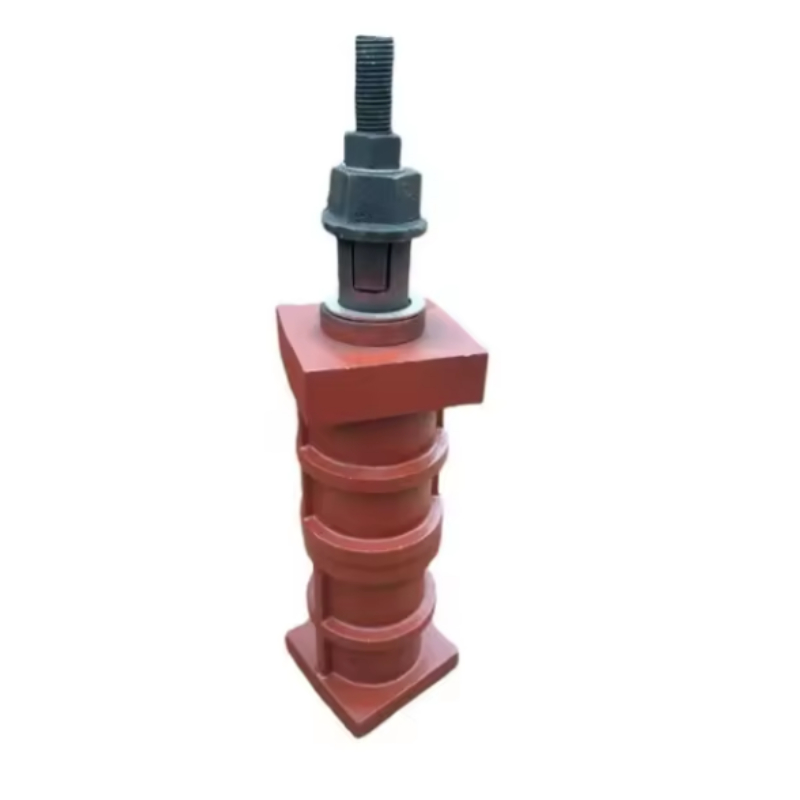
news and information
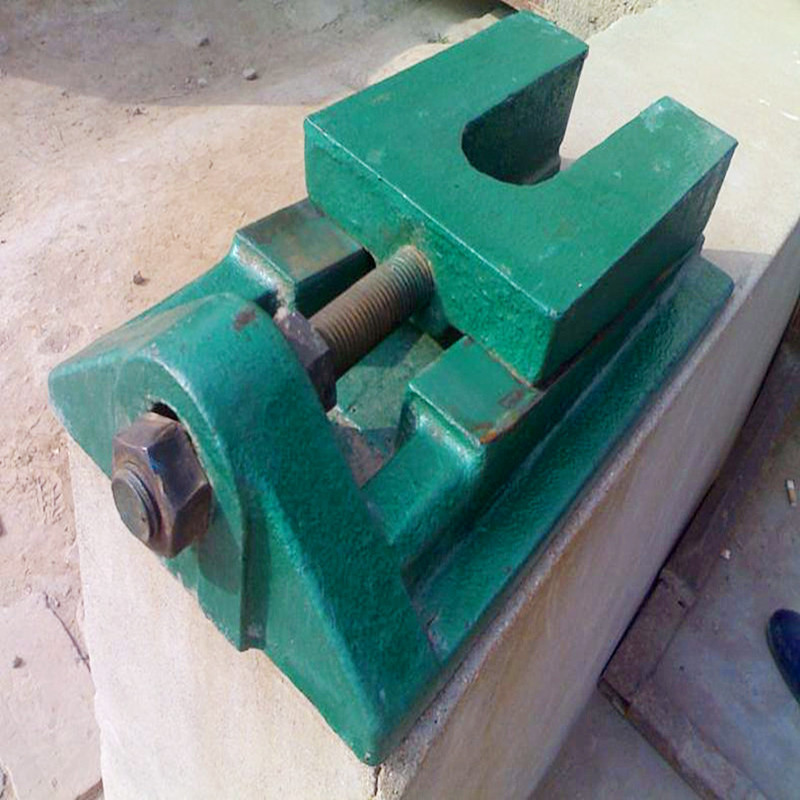
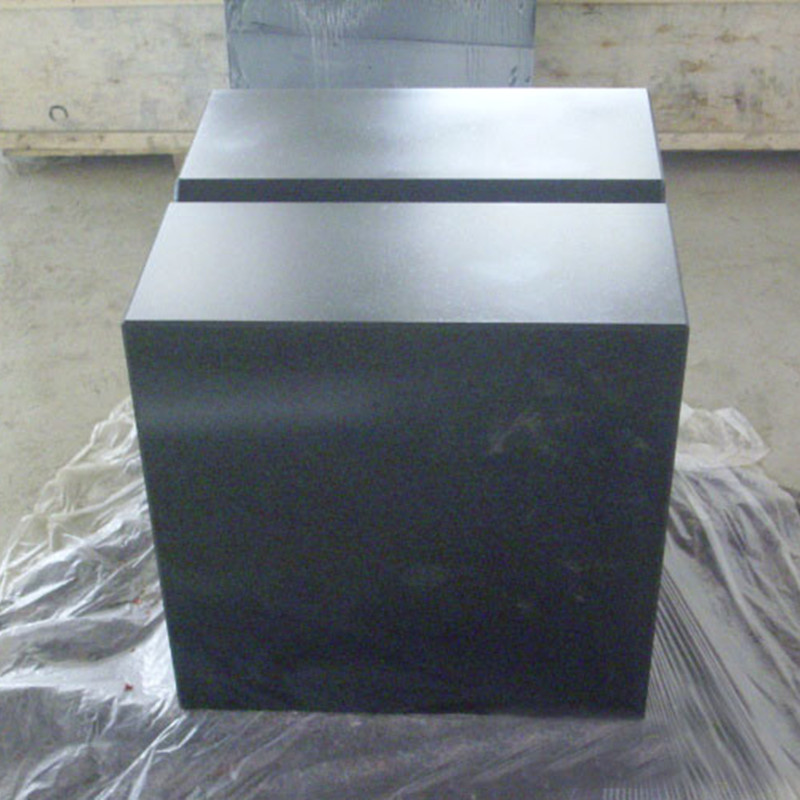
v block
Understanding the V Block in Modern Technology In the fast-paced world of technology, the term V b
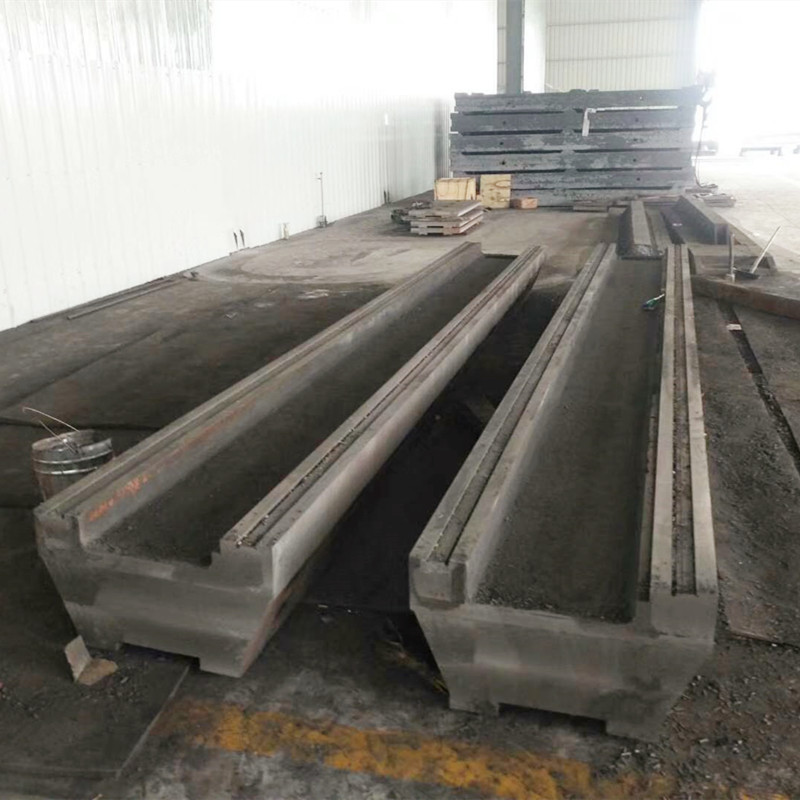
Vanne papillon à 4 % pour des applications industrielles et de contrôle de fluides efficaces
La Robinetterie Le Cas de La Papillon à Quatre Pourcents Les vannes sont des composants essentiels
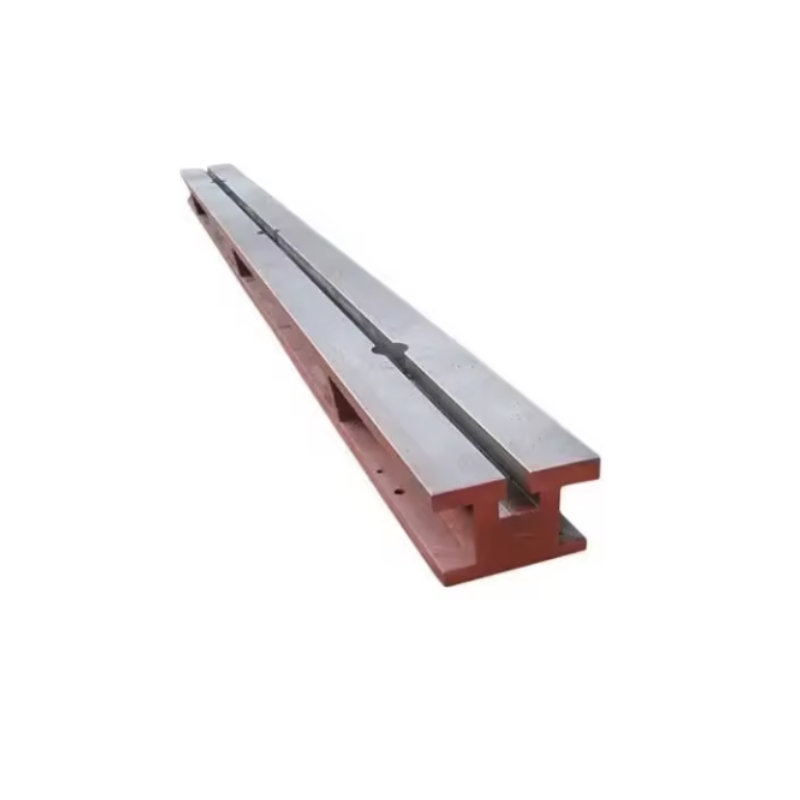
Vanne anti-retour de haute qualité - Solutions fiables pour la gestion des fluides
Les vannes anti-retour Un élément essentiel dans les systèmes de plomberie Les vannes anti-retour
 English